
Small Space Living: Innovative Interior Design Tips
Maximizing a small living area requires creativity, flexibility, and a fresh approach to traditional interior design rules. Innovative strategies can transform compact spaces into functional and stylish homes, proving that size is no barrier to comfort and aesthetics. In this guide, discover practical techniques and inspiring ideas to make the most out of every square foot while reflecting your unique personality.

Optimizing Floor Plans
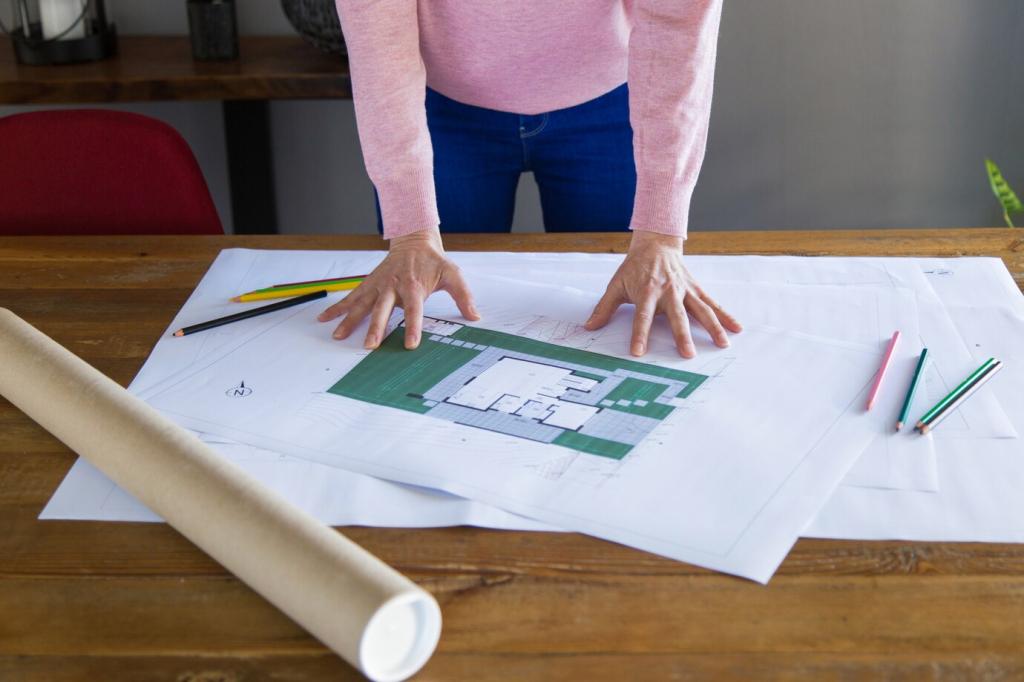
Open-Concept Living
Open-concept designs are particularly effective in small homes. By removing unnecessary partitions and merging spaces like the kitchen, living, and dining areas, you create an uninterrupted flow that encourages both socialization and movement. This approach makes the entire area feel larger and more welcoming while ensuring no space is wasted on unused hallways.
Defined Zones Without Walls
While openness is vital, defining zones within a single room adds structure and enhances functionality. You can achieve this without physical walls by using strategic furniture placement, varying rug patterns, or shifting lighting styles. Each zone can serve a distinct purpose, such as a work corner or reading nook, giving the illusion of separate rooms within one cohesive space.
Flexible Space Planning
Flexibility is key in maximizing small interiors. Consider furniture and layouts that can be easily adjusted to accommodate different activities, such as entertaining guests or working from home. Moveable partitions and lightweight pieces allow you to customize the room as your needs change, making the most of every inch throughout the day.
Multipurpose Furniture Solutions
Sofa Beds and Convertible Seating
Sofa beds and convertible chairs are ideal for small homes that need to transform from living space to sleeping area. Modern designs offer easy conversion mechanisms and stylish appearances, seamlessly integrating into your decor. With these pieces, your living room can become a guest bedroom or cozy retreat at a moment’s notice without feeling crowded or cluttered.
Storage Ottomans and Benches
Ottomans and benches with hidden storage compartments are both practical and chic. They provide a place to store blankets, books, or other essentials, keeping surfaces tidy and organized. These versatile items can also act as extra seating, footrests, or even coffee tables, contributing to a flexible and clutter-free environment.
Drop-Leaf and Expandable Tables
Compact dining areas benefit greatly from tables that can expand or contract as needed. Drop-leaf and expandable designs adapt to different scenarios—small for daily use and larger for entertaining guests. These solutions ensure that valuable floor space is only occupied when necessary, promoting a streamlined and modular approach to furnishing.

Floor-to-Ceiling Shelving
Floor-to-ceiling shelving units take advantage of otherwise unused wall space, offering ample room for storage and display. By extending upward, you free up the floor and give your eyes a natural focal point, contributing to a sense of spaciousness. These shelves are also perfect for showcasing books, plants, or art, personalizing your environment.
High-Mounted Cabinets and Hanging Storage
Installing cabinets or shelves higher on the wall helps store infrequently used items while keeping essentials within reach. Hanging storage systems in kitchens or entryways, such as hooks or racks, can also organize utensils, keys, and bags in a neat, accessible way. This method keeps everyday surfaces clear and minimizes visual clutter.
Lofted Beds and Elevated Platforms
In small bedrooms, lofted beds or raised platforms open up the area beneath for additional functions like a desk, wardrobe, or lounge. By elevating the sleeping area, you double the usefulness of the room, accommodating a variety of needs in a compact footprint. These innovative solutions are especially effective in studio apartments and children’s rooms, where every square foot matters.

Custom-built cabinets can be tailored to fit unusual alcoves, corners, or even under stairs, making the most of awkward spaces. These built-ins allow you to store items out of sight, maintaining a streamlined aesthetic while adapting to your specific storage needs. From wardrobes to kitchen pantries, built-in solutions are both attractive and extremely practical.
Doors offer prime real estate for storage that often goes overlooked. Over-the-door organizers provide easy access to shoes, accessories, cleaning supplies, or toiletries without taking up additional floor space. These versatile holders can be moved as needed and are ideal for rental properties, where permanent fixtures are often not allowed.

Harnessing the area beneath beds and sofas for storage is a classic tactic that never goes out of style. Purpose-built drawers, bins, or even repurposed suitcases can tuck discreetly under furniture, hiding extra linens, clothing, or off-season items. This solution keeps necessities handy but out of sight, contributing to a serene, uncluttered environment.
Previous
Next
Light and Color Techniques
Amplifying natural light instantly makes rooms feel more open and airy. Using sheer curtains or cleverly positioned mirrors can capture sunlight and bounce it around the space, reducing reliance on artificial lighting. Keeping windows unobstructed and opting for lighter window treatments keeps interiors bright and cheerful throughout the day.
Minimalism and Decluttering
Paring down your belongings to the essentials streamlines daily life and simplifies cleaning. Thoughtful decluttering allows you to appreciate each item for its function and beauty, supporting a mindful lifestyle. Regularly evaluating what you truly use and love helps prevent overcrowding, making maintenance easy and enjoyable.


Personalizing with Style
Using bold colors, patterns, or unique furniture pieces brings life to neutral, compact spaces. A vibrant rug or an eye-catching artwork adds personality and serves as a focal point, breaking up monotony. Strategic placement of statement items draws attention to your favorite features and detracts from less desirable aspects.